
Milk Can Mean a Bigger Milk Cheque
Thermodurics are now on your milk cheque.
From 1 October 2026, thermoduric bacteria count towards what Northern Ireland dairy farmers get paid. One dairy buyer in Northern Ireland, for example, has introduced a payment scheme that rewards low counts with a bonus and penalises high counts by up to 3p per litre. It is the first buyer in NI to do so, and it is unlikely to be the last.
At Agri CareTrade, we've spent decades helping dairy farms across Northern Ireland get their parlour hygiene right. In this guide, our team explains what thermodurics are, why they matter to your income, and the practical steps that bring counts down - and keep them down through autumn and winter.
What are thermodurics?
Thermoduric bacteria are heat-resistant bacteria that survive pasteurisation. Ordinary bacteria are killed when milk is heat-treated at the processor. Thermodurics are not, so they carry on into the finished product.
That is why processors care so much. Thermodurics shorten the shelf life of liquid milk and lower the quality of high-value products such as milk powders, whey products and infant formula. Common types include Bacillus, Clostridium and Enterococcus.
Thermoduric counts are measured in colony-forming units per millilitre (cfu/ml). The lower the number, the better your milk and, increasingly, the better your price.
What thermodurics are worth to your farm:
The gap between a low count and a high count can be worth more than approximately 3p on every litre you sell. Here is an example of a possible dairy buyer's new bands work, based on your monthly average: (this is an estimate, not factual)
Thermoduric count (cfu/ml)
Payment per litre
250 or under +0.3p bonus
251 – 500 +0.2p bonus
501 – 1,000 Base (no change)
1,001 – 3,000 –0.5p penalty
3,001 – 5,000 –1.5p penalty
Over 5,000 –3p penalty
Put that into real money. A herd supplying 1 million litres a year with a count under 250 earns an extra £3,000. The same herd averaging over 5,000 loses £30,000. That is a swing of £33,000 a year — from hygiene alone.
Other processors in the UK and Ireland already test for thermodurics, with penalty thresholds commonly set around 500 cfu/ml. Whoever you supply, getting your counts down now protects your milk cheque before the rules reach you.
Where thermodurics come from:
Thermodurics start in the cow's environment and enter the milk through two routes: dirty teats and dirty equipment.
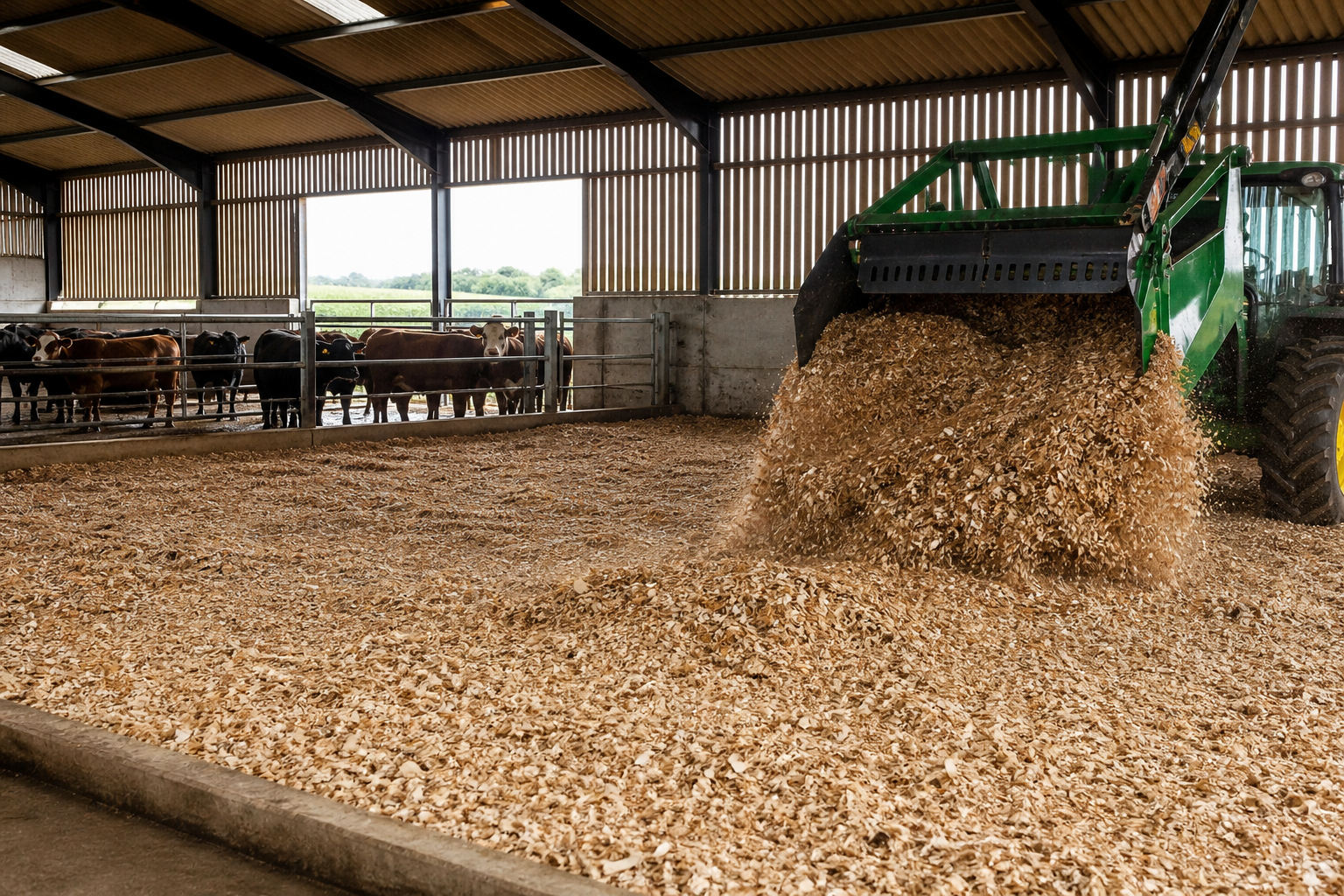
* Dung, soil and bedding. These are the main reservoirs. Cows lying in wet cubicles, muddy gateways or sacrifice paddocks bring them into the parlour on their teats.
* Silage and slurry. Housed cows pick up spores from feed areas and passageways.
* Biofilm in the milking plant. Milk fat and protein left behind by a poor wash gradually coat the inside of milk lines and rubberware in a sticky, discoloured layer. Bacteria shelter in it and seed every milking.
* Worn liners and rubberware. Cracked or perished rubber is hard to clean and is a common cause of sudden spikes.
Counts often climb in autumn and winter, as cows come indoors, conditions get wetter and teats get dirtier. Busy periods such as calving, when routines slip, are another high-risk time.
Six steps to lower your thermoduric count
The most effective way to cut thermodurics is to stop them at farm level, before they ever reach the bulk tank. These are the steps our team recommends:
1. Keep cows and their beds clean. Scrape passageways often, keep cubicles dry and well bedded, and avoid letting cows lie in muddy areas. Clean cows mean clean teats.
2. Prepare every teat before milking. A good pre-dip or pre-foam, given enough contact time and then wiped off with a clean, dry cloth or paper per cow, removes the dirt that carries thermodurics. Pre-foaming gives better coverage of the whole teat than spraying alone.
3. Post-dip after every milking. Protecting the teat after milking keeps it cleaner between milkings and supports your mastitis control at the same time.
4. Get the plant wash right. Check water volume, temperature, detergent strength and contact time. Use a quality alkaline circulation cleaner and an acid descaler on a regular rotation to stop biofilm and milkstone forming.
5. Replace liners and rubberware on time. Change liners at the manufacturer's recommended interval and check tubes and seals for cracks.
6. Don't forget the bulk tank. Make sure it is washed thoroughly after every collection and that the cleaning system is reaching every surface.
If your count is high and you can't find the cause, a full hygiene audit of your routine, plant and tank is the quickest way to pinpoint it.
How Agri CareTrade can help
Agri CareTrade is a family-run business based in Mallusk, supplying dairy farms across Northern Ireland - from Ballymena and Coleraine to Newry, Omagh and Derry. We cover every stage of thermoduric control:
* Teat preparation: the Pure Foam System, a pre-foaming setup that can be configured to suit your parlour size, plus CIDLINES foaming and non-return dip cups.
* Teat care and disinfection: a wide CIDLINES range for pre- and post-milking.
* Plant and tank cleaning: CIDLINES circulation cleaners and acid descalers, including the DM Cid range, plus 5% peracetic acid.
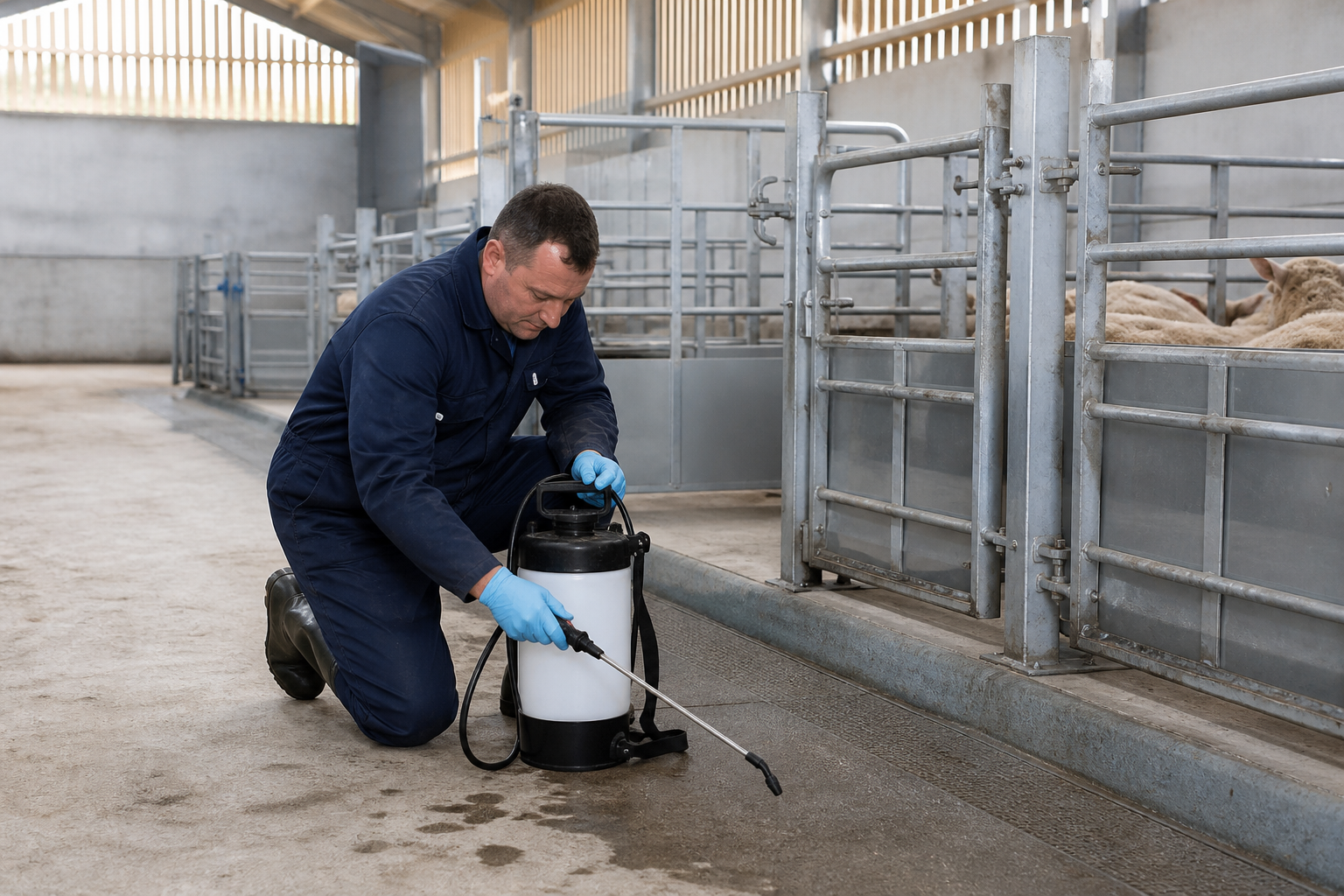
* Dairy hygiene audits: our team will look at your milking routine, plant and tank, then recommend the products and steps to bring your count down.
* Easy reordering: buy selected lines online and use our app-linked cost calculator to plan your usage and spend.
With bonuses of up to 0.3p/l on offer and penalties of up to 3p/l, there has never been a better time to review your parlour hygiene.
Call our team on 028 9408 0064, email sales@agricaretrade.com

Comments